Premium Link Generator: File.al

Potential pitfalls: assuming all users are malicious without considering exceptions (like public domain content). The paper should clarify that bypassing legitimate access restrictions is only wrong when the content is protected by copyright. However, most file-sharing services have terms that prohibit sharing without permission, so the generator's use is inherently a violation regardless of copyright status.

In the paper, I should also address the technical challenges in creating such generators. Do they exploit API endpoints, session tokens, or use phishing techniques? Maybe there's a component where developers create bots to scrape premium links from other sources. Or they might sell fake links. Also, how these generators can be detected or blocked by File.al's administrators. Premium Link Generator File.al

Security aspects: phishing sites that mimic the login page to steal user data. These generators can be part of a larger scam, leading to identity theft or financial fraud. It's important to highlight the risks to users beyond just legal issues. Potential pitfalls: assuming all users are malicious without

Wait, I should verify if File.al is a real service. If it's not a recognized entity, the paper might become speculative. Let me check. File.al is a real domain, but information is limited. It's likely a file-hosting service similar to MediaFire or RapidShare, which often require premium accounts for faster downloads. Premium link generators here would be the tools users try to get free premium access. In the paper, I should also address the

I should also discuss the technical steps a generator might take. For example, reverse-engineering the authentication process, generating tokens that grant premium access without proper billing. These tokens could be sold or distributed freely. Alternatively, the generator might use stolen credentials from a data breach to create premium access for others.
Blog archive

in all categories

Latest articles

leadPicture

weather international

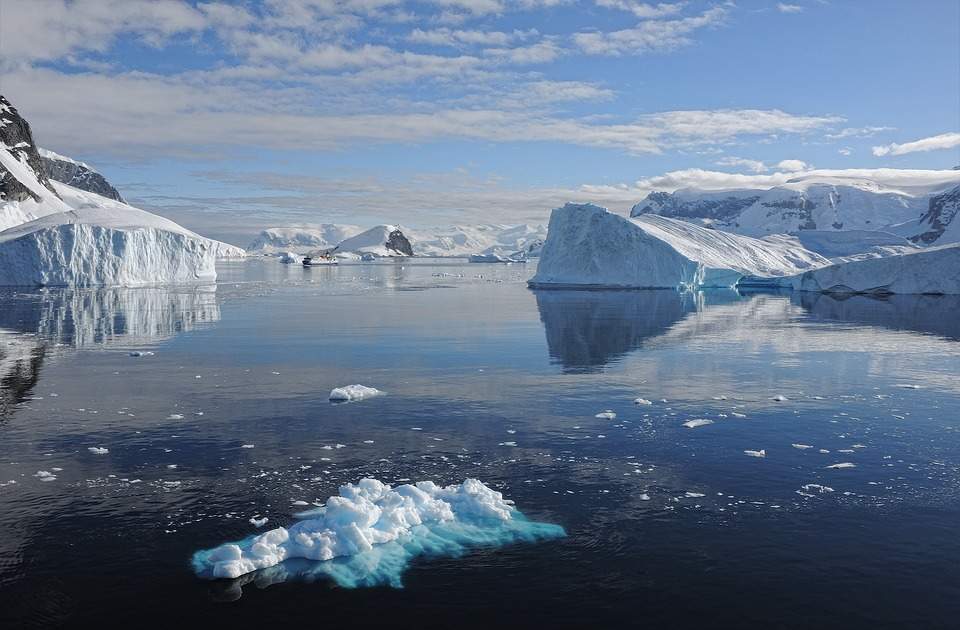
Current sea ice extent in the Antarctic and Arctic

The low point of summer sea ice extent is typically reached in the Antarctic between mid- and late February, while the winter maximum is reached in the Arctic in March with a slight delay. Conversely, the lowest sea ice extent is recorded in the Arctic in mid-September, while the greatest extent is recorded in the Antarctic. Currently, we are experiencing the lowest level of global sea ice extent on record.

Michael Eichmann

Most read articles last 2 months

Most read articles last 12 months

leadPicture

astro international

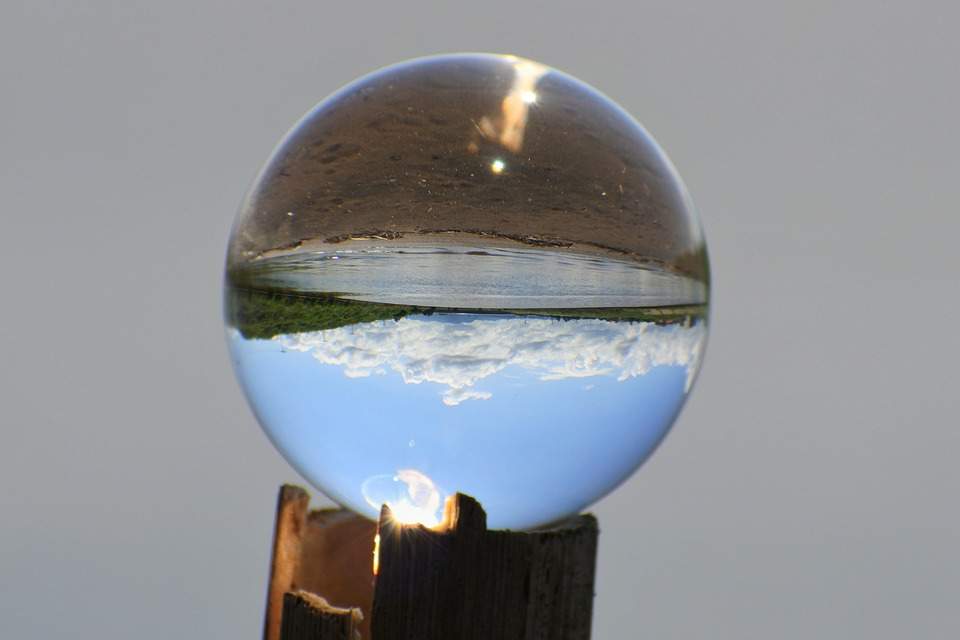
Summer in the calendar from tomorrow!

Following the meteorological start of summer on June 1 and the even earlier phenological start of summer, summer in the Earth's northern hemisphere will now also begin tomorrow, Saturday, June 21, at exactly 4:41 a.m. in calendar and astronomical terms. This is also known as the summer solstice, as the sun is positioned vertically above the Tropic of Cancer. This is associated with the longest day and shortest night in the northern hemisphere, and from this point onwards the length of the day decreases again.

Roger Perret

leadPicture

weather international

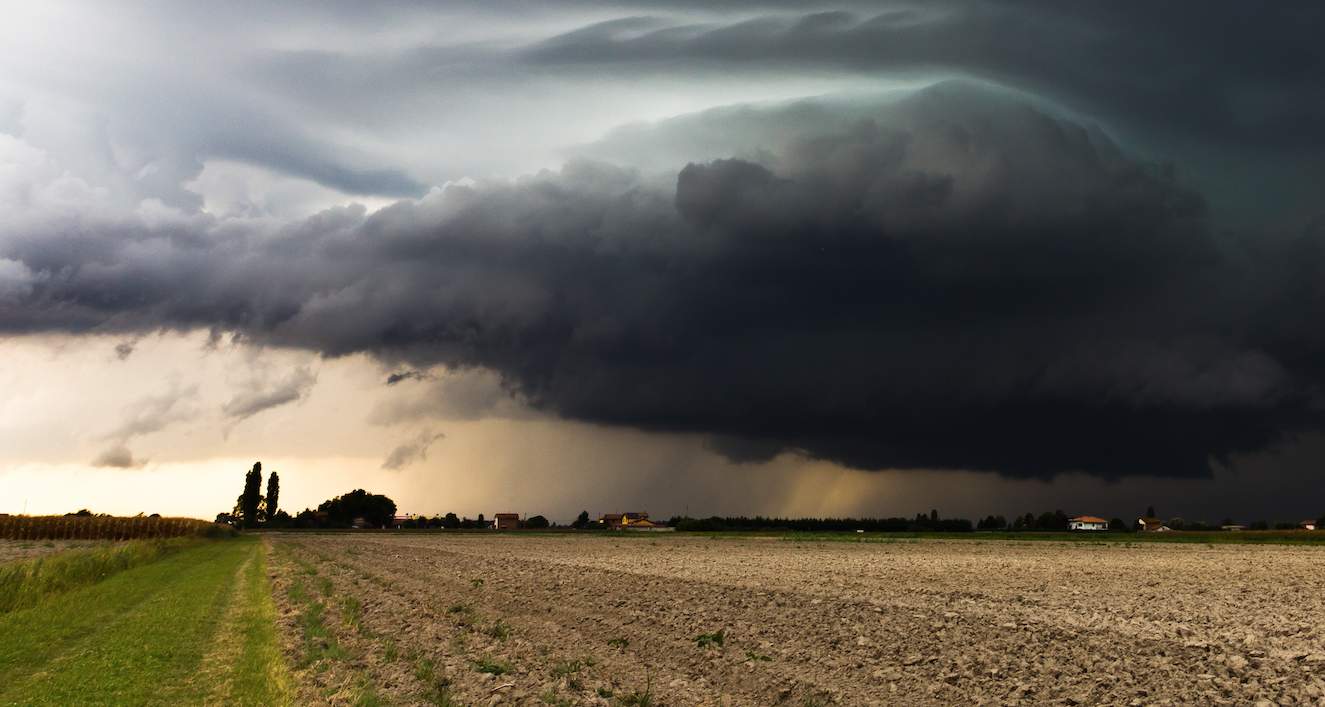
The 2011 Super-Outbreak

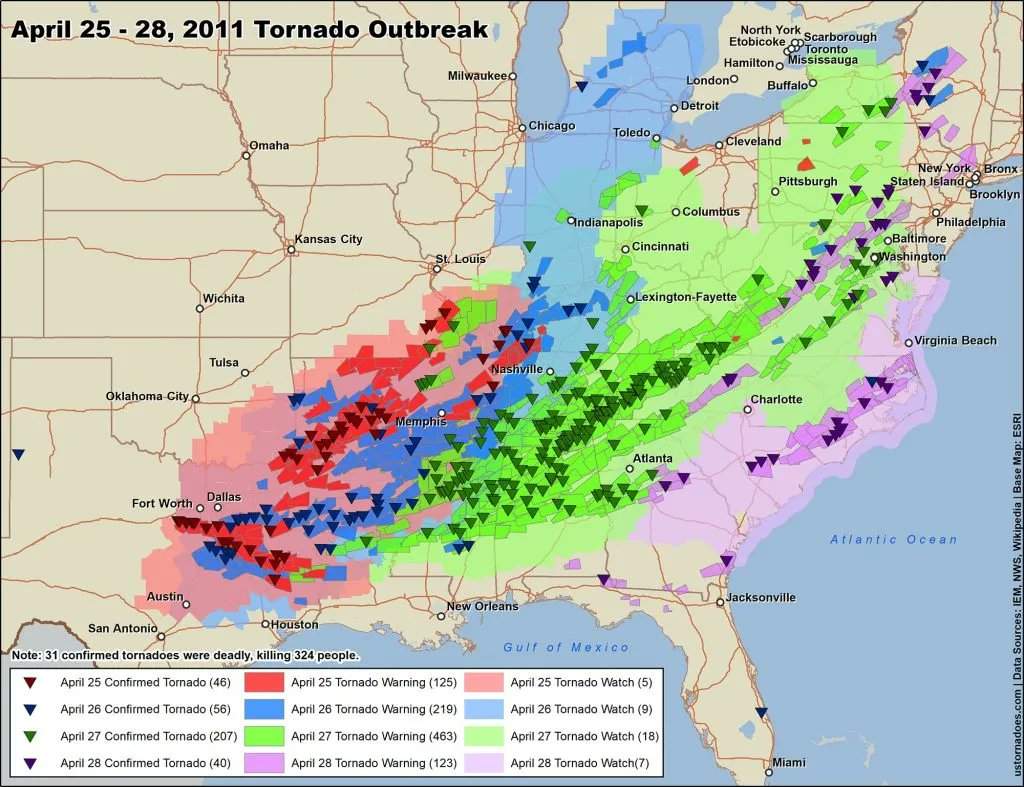
Particularly during spring and early summer, severe storms with tornadoes form in North America on a more or less regular basis. While most of these events "only" produce a handful of tornadoes, extreme events can occur if the pressure distribution, wind shear and humidity are ideal for the storms. The most devastating and very deadly tornado outbreak to date occurred between April 25 and 28, 2011, when 362 tornadoes formed within 4 days!

Michael Eichmann

Quick access to our weather portal

Reach our weather portal even faster by placing a shortcut directly on your home screen:
  • 1. Tap
  • 2. To the home screen
  • 1. Tap
  • 2. Tap 'Add to Home screen'
  • 3. tap 'Add'
  • 1. Tap
  • 2. Tap 'Add to Home screen'
  • 3. tap 'Add'