



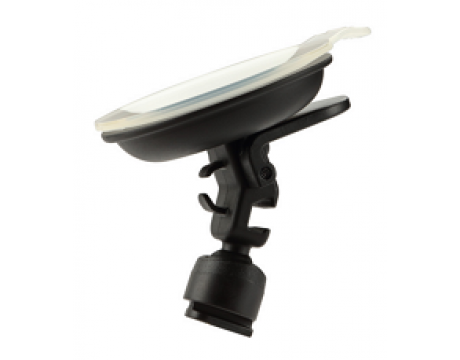
 Houders
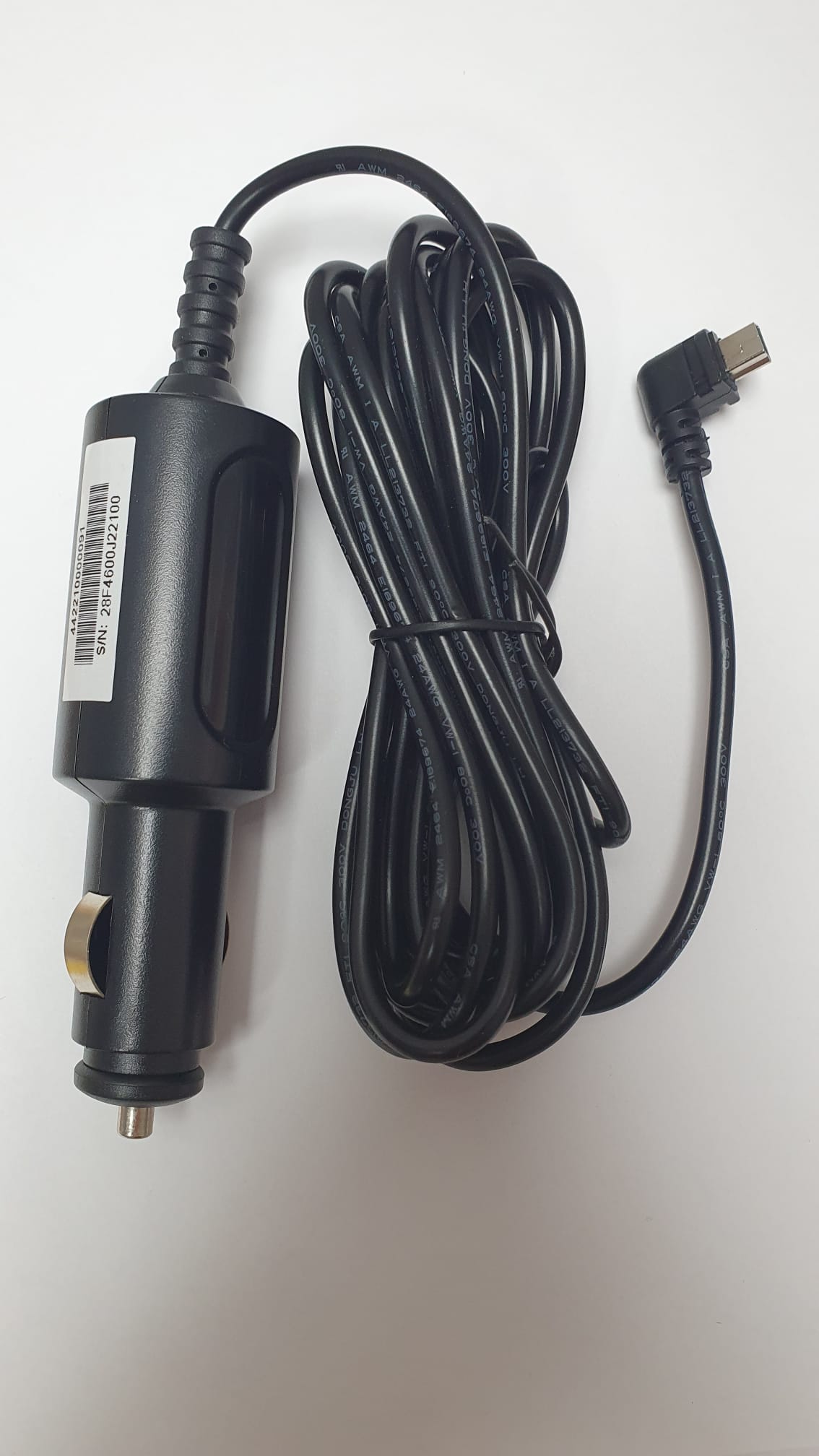 Kabels en Smartbox
 Dashcam toestellen
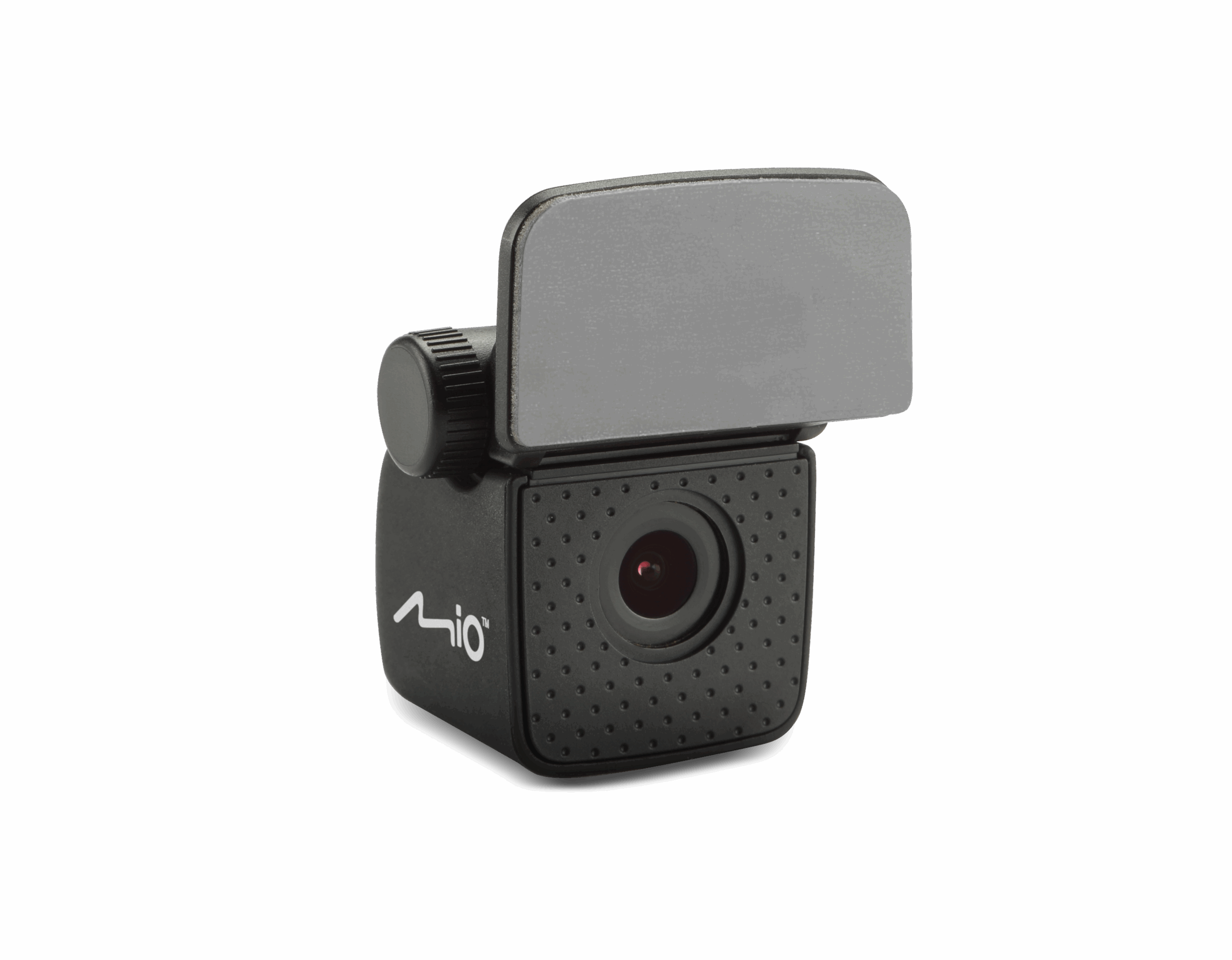 Voor- en achteruitkijk camera’s
 SD kaartjes
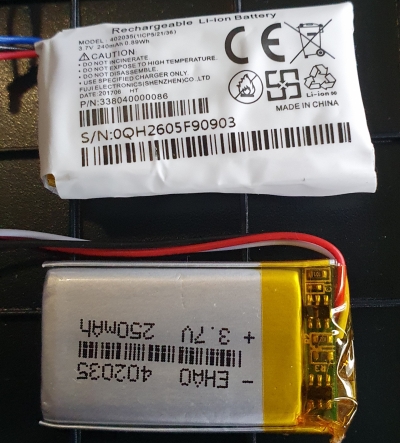 Batterij
 Batterij
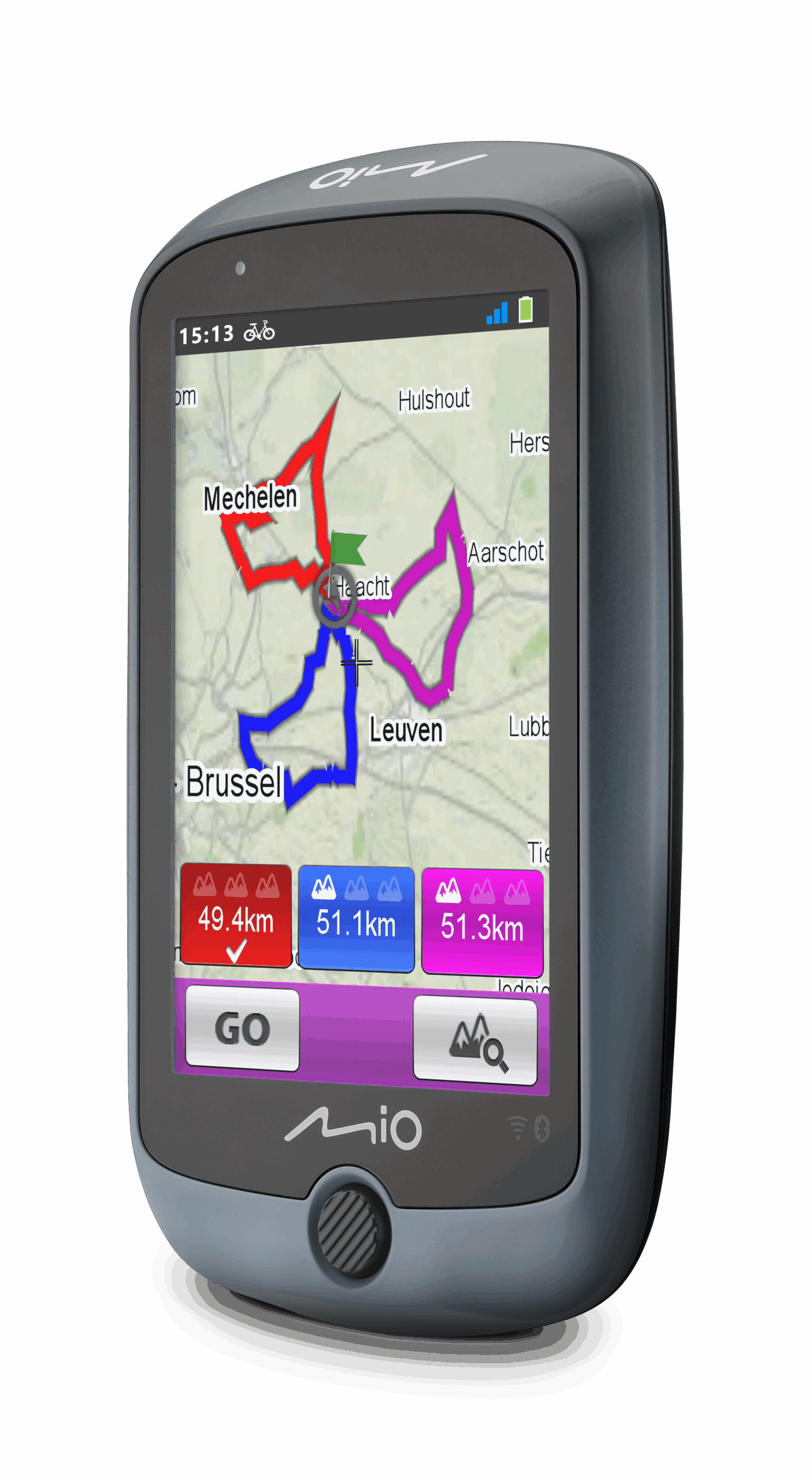 Toestellen
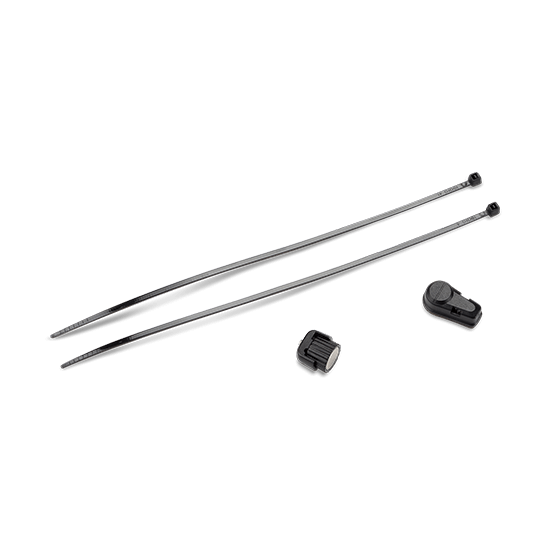 Sensoren
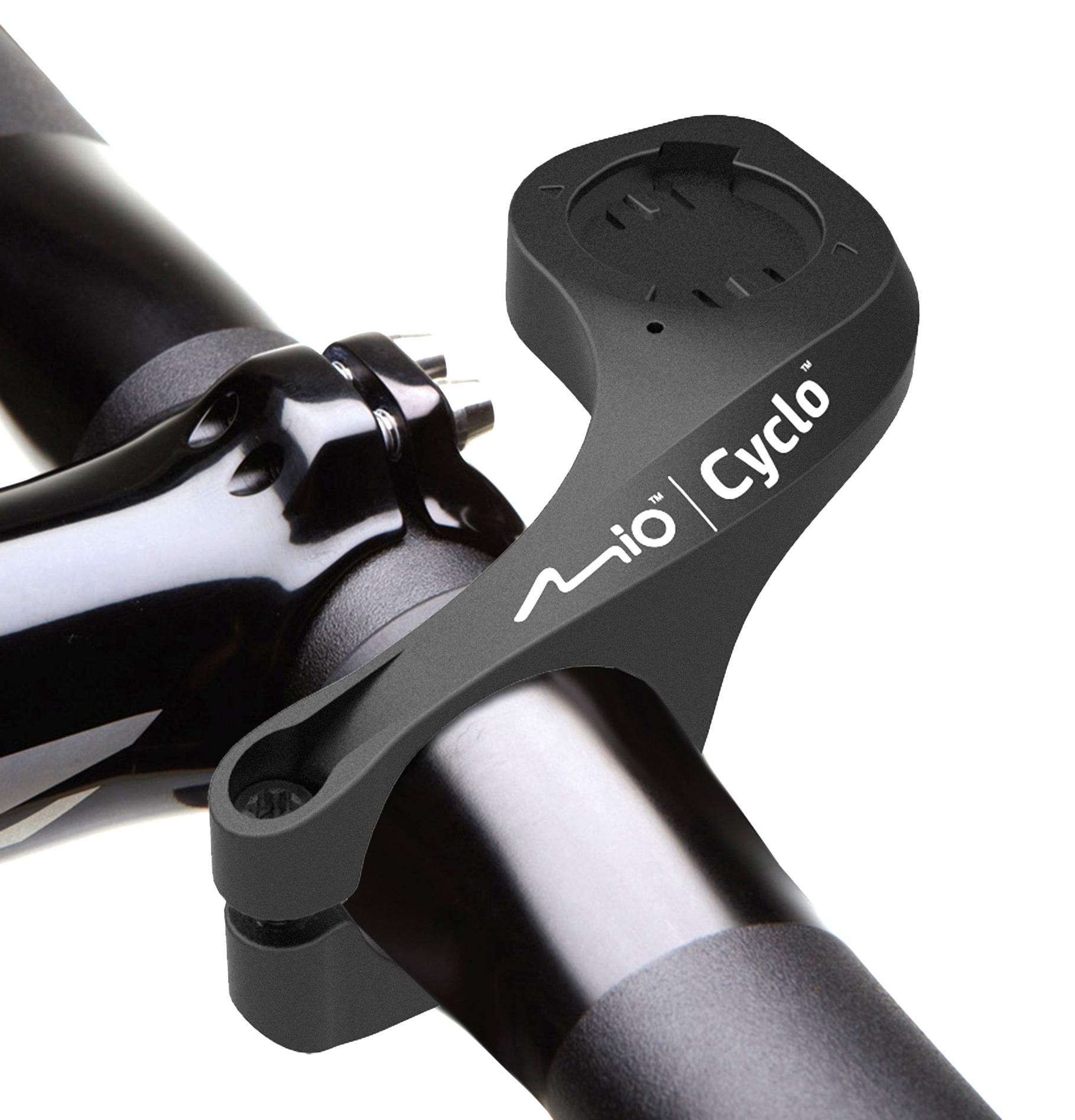 Houders
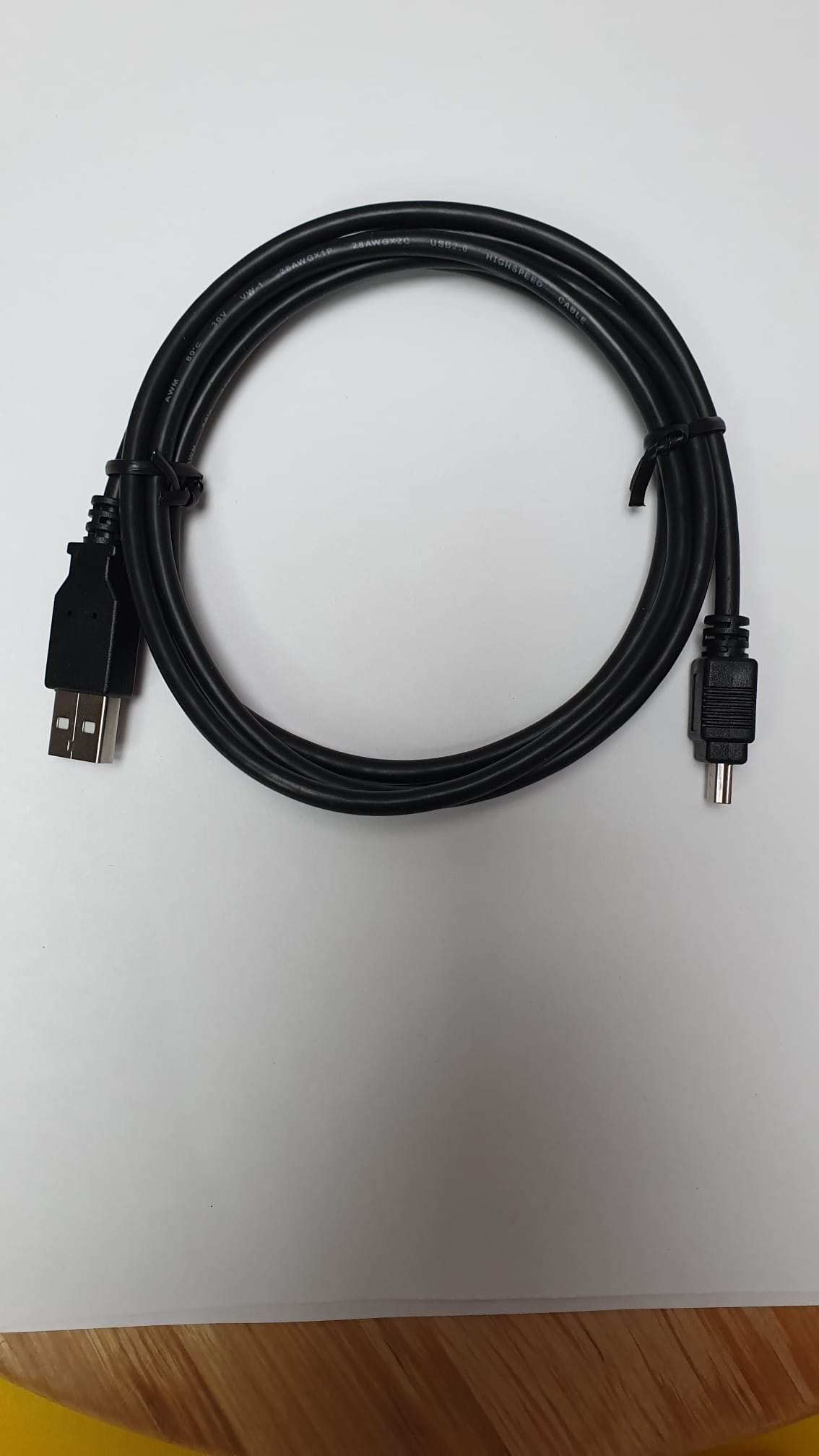 Kabels
 Tasje / hoesje
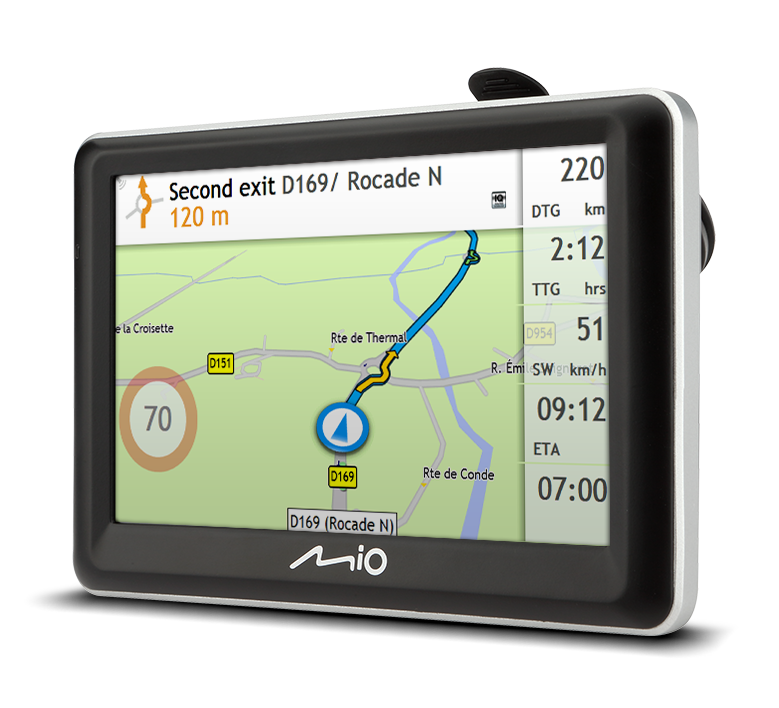 Mio GPS toestellen
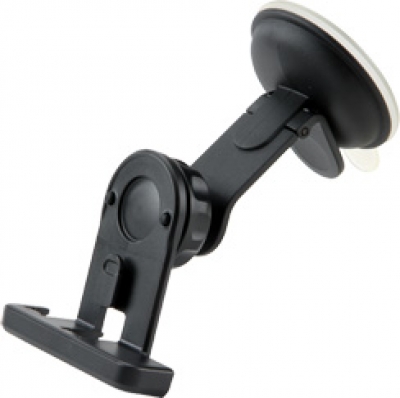 Houders
 Kaarten
 Speciale huurkaarten
The Copycat V100 By Piggybackride Productions -
In conclusion, "the copycat v100 by Piggybackride Productions" serves as a fascinating case study in the tensions between originality and imitation, innovation and tradition. Whether viewed as a strategic market play, a provocative statement on creativity, or simply as a product designed to meet specific needs, it challenges our assumptions about what it means to create and to innovate in the 21st century. As such, it invites a broader conversation about the evolving landscape of the creative industries and the myriad ways in which ideas are born, adapted, and evolve over time.
Piggybackride Productions, as the creator of "the copycat v100," positions itself as a player in the creative industry that is perhaps not averse to leveraging existing ideas, technologies, or trends to produce something that meets specific needs or desires. The name "Piggybackride Productions" itself is intriguing, suggesting a strategy that involves capitalizing on the momentum of others, much like how a piggyback rider leverages the movement and energy of the person they are riding on. the copycat v100 by piggybackride productions
Finally, embracing the identity of a "copycat" could be a bold statement about the nature of creativity and innovation. It might reflect a belief that all creative acts are iterative, and that the value of a work lies not in its absolute originality but in how it is recontextualized, reimagined, or improved upon. Piggybackride Productions, as the creator of "the copycat
Second, the label "copycat" might be misleading or partial. Every creative work is built on the foundation of what has come before. Even the most seemingly original ideas often owe a debt to earlier influences. "The Copycat V100" could, in reality, represent a significant evolution or reimagining of existing concepts, incorporating new technologies, insights, or aesthetic sensibilities. It might reflect a belief that all creative
At its core, the concept of "the copycat v100" suggests a product or creative work that may prioritize functionality and proven success over groundbreaking innovation. The designation "v100" implies a version or iteration, hinting at a series of developments or refinements. This could be a piece of software, a piece of art, a product design, or even a creative concept that has undergone numerous iterations to perfect its form and function.
The act of creating something that can be labeled a "copycat" raises immediate questions about the value of originality in creative work. In a world where intellectual property rights are vigorously defended, and where the uniqueness of a product or idea can significantly impact its marketability and success, why would a production company opt to produce something described as a "copycat"?
There are several possible reasons. First, the "copycat" approach can be a strategic business decision, aimed at capturing a proven market with a product that users already understand and demand. By improving upon or simply replicating an existing product or service, Piggybackride Productions may seek to offer a more accessible or affordable alternative, or to improve on aspects of the original that were found lacking.